You might think the biggest trends shaping PR and communications in the Middle East right now are AI, influencer marketing or the latest social platform. And to an extent, they are, but they are unfolding in a region where ambition and uncertainty now sit side by side.
Governments continue to invest heavily, businesses are pursuing growth across multiple sectors and the Middle East remains one of the world’s most fast-moving business environments. Yet recent military escalation has inevitably influenced confidence and decision-making. As a result, many of the trends shaping communications today are being viewed through a slightly different lens. Visibility remains important, but trust, credibility and accountability are carrying greater weight than they once did.
Against that backdrop, here are five trends shaping PR and communications across the Middle East today.
Table of Contents
1: Executive visibility is becoming more important
Across the communications industry, greater emphasis is being placed on the visibility of founders, CEOs and senior leaders, and the Middle East is no exception. Whether through media interviews, LinkedIn, industry events or contributed commentary, organisations increasingly recognise that people often trust people before they trust brands.
The trend is reflected in wider business attitudes too. Research by FTI Consulting found that 92% of professionals are more likely to trust a company whose senior executives are active on social media, highlighting the value of visible and accessible leadership. During periods of uncertainty, the demand for leadership visibility also increases as investors, employees, customers and partners often want to hear directly from the people responsible for steering the business.
For businesses, executive visibility can help strengthen reputation, differentiate the organisation and create a more human connection with stakeholders. For PR teams, the focus should be on helping leaders share consistent, meaningful insight, participate in industry conversations and ultimately influence the debates shaping their industries.
2. AI is moving from experimentation to everyday use
Across the Middle East, businesses are moving beyond experimentation with AI. Now it’s rapidly becoming embedded in the way communications teams work, supporting everything from research and media monitoring to content creation and campaign planning.
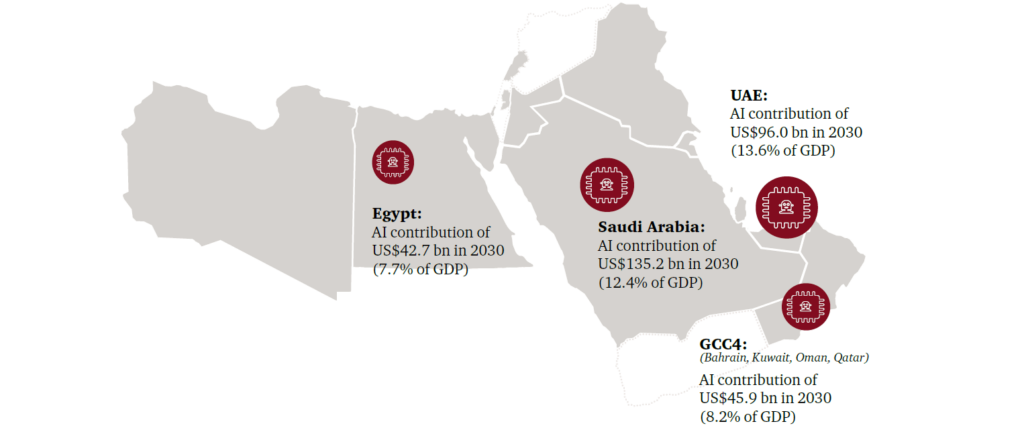
PwC estimates AI could contribute as much as $320 billion to the Middle East economy by 2030, underlining the scale of ambition across the region. Additionally, Saudi Arabia has designated 2026 as the “Year of Artificial Intelligence“, reflecting the extent to which AI has moved from an emerging technology to a strategic national priority.
For communicators, AI is helping reduce the time spent on research, analysis and content production. But as creating content becomes easier, standing out becomes harder. Journalists are already reporting growing volumes of AI-generated pitches and commentary that add little value, creating a sea of generic content that can be difficult to distinguish from one brand to the next. As a result, originality, expertise and genuine insight are becoming rarer but much more valuable.
The organisations that benefit most from AI are unlikely to be those producing the most content, but those using it to support sharper thinking, faster execution and more informed communications.
3. Influencer marketing is growing up
Influencer marketing in the Middle East has had a “Glow Up” as they say in GenZ speak. Today, relevance and brand alignment are much more important than sheer reach, which means brands are being more selective about who they work with.

In the UAE for example, the creator economy is becoming more professionalised. New regulations now require content creators publishing promotional content to hold an official Advertiser Permit, while government-backed initiatives such as Creators HQ are actively positioning the UAE as a hub for the global creator economy. The UAE Media Council’s figures indicated that 1,800 Advertiser Permits had been issued by late 2025 to content creators from 75 countries.
In Saudi Arabia, creators are playing a greater role in wider economic and tourism initiatives linked to Vision 2030, reflecting the growing importance of the creator economy beyond traditional advertising.
This move towards alignment and regulation means influencer partnerships are increasingly being viewed as a communications and reputation consideration, as well as a marketing activity. It now sits alongside media relations, thought leadership and executive profiling, with the same questions applying: is the spokesperson credible? Does the audience trust them? And will the association strengthen or weaken the brand?
4. Localisation is becoming a competitive advantage
The “Middle East” is often spoken about as a single market, but businesses and PR agencies operating in the region know the reality is far more complex. Audiences, media landscapes, regulatory environments and business priorities do vary significantly from one country to another. While this may seem obvious to organisations already established in the region, it’s a lesson many international brands still learn the hard way.
Organisations that take the time to tailor their messaging to local audiences are often better placed than those that view the region as a homogenous mass.
For instance language – while English is widely used across industries such as technology, finance and professional services, Arabic-language content remains important for reaching broader audiences and building trust. Business priorities can differ too. In Saudi Arabia, communications often intersect with themes such as Vision 2030, economic diversification and national transformation. While in the UAE, conversations are more likely to focus on innovation, entrepreneurship and attracting international investment. And this is where local expertise can become a genuine competitive advantage.
5. Communications is becoming more accountable
For a long time, PR was judged primarily on outputs rather than outcomes. Success was often measured by the amount of coverage secured, events attended or press releases distributed. Today, businesses are asking much tougher questions of their communications teams and agencies. What impact did the campaign have? Who did it reach? Did it influence reputation, stakeholder perception or commercial outcomes?
While this trend isn’t unique to the Middle East, it is becoming increasingly important. According to the 2025 Cision and PRWeek Comms Report, 96% of communications teams say they are relying on data more than ever, while two-thirds now employ or have access to a dedicated data analyst.
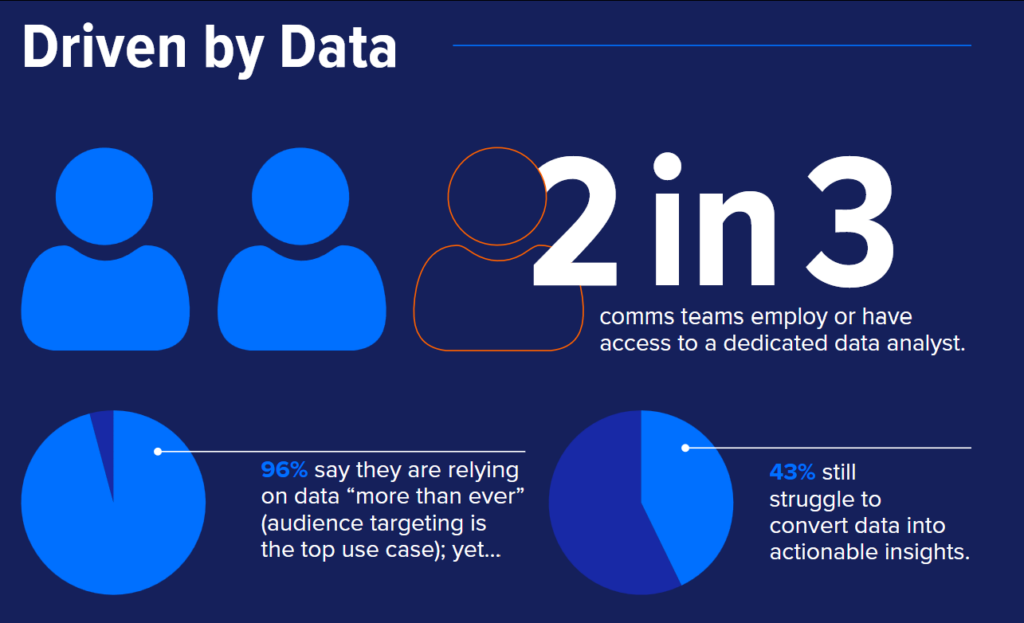
The same research found that 44% of communications professionals still struggle to align their metrics with revenue or business KPIs, highlighting both the growing demand for measurement and the ongoing challenge of proving business impact. Additionally, 84% of communications leaders say the C-suite is seeking their counsel more than in previous years, increasing expectations around accountability and demonstrating value.
For businesses operating in, or expanding into, the Middle East, it’s not enough to know how many headlines you’ve generated. What really matters is whether you’re getting in front of the right audiences and whether those conversations are helping build credibility and commercial momentum.
Sapience works with businesses across the Middle East to build visibility, credibility and influence through strategic communications tailored to local markets. Speak to one of our team to learn more.